Certainly! Here's a streamlined and SEO-optimized version of the guide to yielding business intelligence from Big Data, designed to engage and inform a general audience effectively:
---
Unlocking Business Intelligence from Big Data: A Step-by-Step Guide
.png)
In the modern business landscape, leveraging Big Data for actionable insights is not just an advantage but a necessity. This guide provides a clear pathway for businesses of all sizes to harness the power of Big Data for enhanced decision-making and improved performance.
Step 1: Define Your Objectives
Identifying clear business goals is crucial before you delve into data analysis. Are you aiming to boost sales, improve customer satisfaction, or streamline operations? Setting specific targets will focus your Big Data efforts and align them with your strategic business needs.
Step 2: Collect Your Data
The foundation of any Big Data initiative is gathering relevant data. Sources can range from internal systems like CRM and ERP to external inputs like social media and IoT devices. Aim to balance both structured data (numerical information) and unstructured data (textual content like customer feedback).
Step 3: Clean and Prepare the Data
Preparing your data by cleaning and organizing it is essential for reliable analysis. Techniques include removing duplicate entries, correcting inaccuracies, and filling missing values, ensuring the data is accurate and ready for in-depth analysis.
Step 4: Store the Data
Choosing the right storage solution, whether it’s a data lake for raw data or a data warehouse for structured information, depends on your specific analysis needs and the nature of your data.
Step 5: Analyze the Data
Utilize statistical tools and algorithms to discover patterns and insights within your data. For those new to data science, plenty of user-friendly BI tools simplify complex analyses, making them accessible to all business users.
Step 6: Visualize the Results
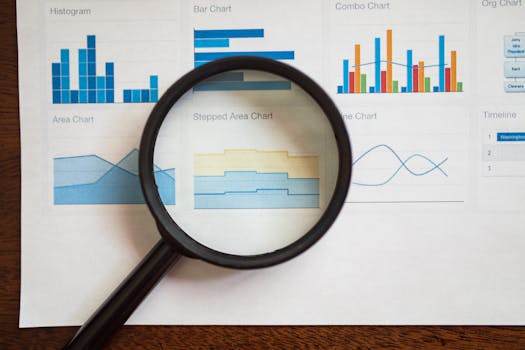
Transform your complex data findings into easy-to-understand visuals using tools like Tableau or Microsoft Power BI. Effective visualization communicates insights clearly and facilitates informed decision-making across your organization.
Step 7: Implement Insights
Apply the insights gained from your data to make informed decisions that drive business improvements. Whether it’s refining your marketing approach or optimizing supply chain logistics, the effective use of data insights can propel your business forward.
Step 8: Monitor and Refine
Big Data is dynamic, so continuously monitoring and refining your strategies is essential. Regularly update your approaches and tools to stay aligned with both market conditions and your evolving business objectives.
Conclusion Transforming Big Data into actionable business intelligence is a strategic process that requires clear goals, robust data management, and continuous refinement. With the right approach and tools, any business can unlock powerful insights that drive growth and innovation.
By following these steps, companies can not only make more informed decisions but also maintain a competitive edge in a data-driven world.
---
This version of the article maintains the informative nature of the original while enhancing readability and SEO potential with focused keywords and a clear, engaging structure.